
Quick answer
The best Musandam dhow cruise departs Khasab between 08:00 and 10:00 for full-day and half-day excursions, when seas are calmest and dolphin pods feed near the coast. Free entry to Khasab port applies; tour costs vary by operator and route. October through April offers the most consistent weather, while summer heat and choppy June-to-August seas reduce comfort on longer sailings.
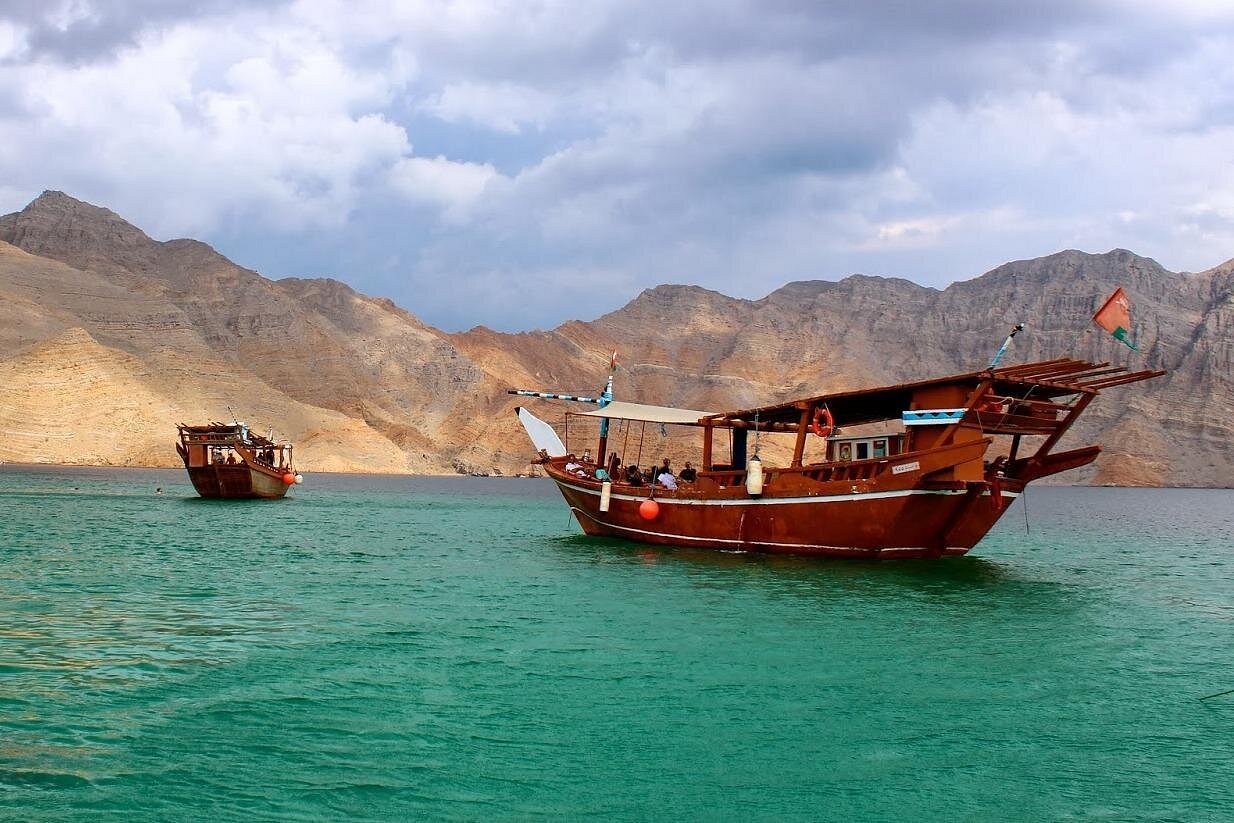
Ninety-seven percent of Musandam dhow operators sail wooden vessels built using techniques unchanged since the sixteenth century, when Omani traders navigated these fjords to Persia and India. The craft you board at Khasab port will likely feature a broad beam, a flat stern, and handwoven rope fittings—design choices that stabilize the boat in the narrow channels between limestone cliffs rising six hundred meters above the waterline. Choosing the best Musandam dhow cruise depends on three variables: departure time, route length, and season. Morning sailings between 08:00 and 10:00 coincide with dolphin feeding activity along the coastline near Khawr Najd and Khawr Sham, where spinner dolphins and occasional humpback dolphins follow baitfish into shallow bays. Full-day itineraries—typically six to eight hours—reach Telegraph Island, a nineteenth-century British relay station in Khawr Habalayn, and allow time for snorkeling in coral gardens at Seebi Island. Half-day trips cover the southern fjords but skip the northern anchorages. Weather dictates feasibility: October to April delivers flat seas and eighteen-to-twenty-six-degree air temperatures, while summer swells and thirty-eight-degree heat make deck seating uncomfortable and reduce visibility below the surface. Operators cluster at Khasab Dhow Port, where wooden piers accommodate twenty to thirty vessels daily. Entry to the port is free; tour costs vary by group size, duration, and inclusions such as meals or snorkeling gear. Boats depart throughout the day until 23:00, but late sailings miss dolphin activity and navigate fjords in diminishing light. The Musandam Peninsula's isolation—accessible only via the Tibat border crossing from the UAE or a two-hour flight from Muscat—keeps daily visitor numbers below two hundred, so advance booking during peak winter months ensures a preferred departure slot. Route selection matters. Southern fjords near Khasab offer shorter transit times and sheltered swimming coves, ideal for families. Northern routes to Kumzar village and the Strait of Hormuz add two hours but reveal terraced fishing settlements and Iranian coastline views across the narrowest shipping lane in the Gulf. Traditional dhows lack engines and sail under favorable wind, though most operators now fit auxiliary motors for schedule reliability.
“Morning sailings between 08:00 and 10:00 coincide with dolphin feeding activity along the coastline near Khawr Najd and Khawr Sham, where spinner dolphins follow baitfish into shallow bays.”
The Best Time for a Musandam Dhow Cruise
The best time for a Musandam dhow cruise is during the cooler months, specifically between October and April, to ensure comfortable temperatures and stable sea conditions. Arriving during the 08:00–10:00 arrival window remains critical for optimal dolphin spotting and calm waters.
October to April
Moderate crowdsMild temperatures ranging 20°C to 30°C
This period offers the most pleasant conditions for coastal cruising and swimming.
May to September
Low crowdsHigh temperatures exceeding 40°C
Extreme heat makes mid-day deck exposure difficult; early morning departures are necessary.
Weekday mornings
Minimal crowds—
Visiting on weekdays provides a quieter experience on the water with better access to coves.
Verdict: The best time to visit is during the cooler months of November or March, arriving promptly between 08:00–10:00 for the calmest sea conditions.
Opening Hours for the Best Musandam Dhow Cruise Port
The Khasab Dhow Port maintains consistent operational hours throughout the week to accommodate visitors arriving for maritime excursions. Port access is available daily from early morning through late evening.
| Monday | 07:00–23:00 | |
|---|---|---|
| Tuesday | 07:00–23:00 | |
| Wednesday | 07:00–23:00 | |
| Thursday | 07:00–23:00 | |
| Friday | 07:00–23:00 | |
| Saturday | 07:00–23:00 | |
| Sunday | 07:00–23:00 |
Entrance Fees for the Best Musandam Dhow Cruise Experience
Access to the Khasab Dhow Port is free for all visitors. Costs associated with your cruise depend exclusively on the specific tour excursion selected.
While port access is 0 OMR, your total cost is determined by the specific boat excursion and package selected.
Getting to the Best Musandam Dhow Cruise Departure Point
The Khasab Dhow Port is located in the Musandam Peninsula of Oman and is primarily accessed by road from the United Arab Emirates or via Khasab Airport. Travelers typically reach the port by private car or pre-arranged transfer services.
E11 highway from Dubai to Ras Al Khaimah, then Route 12 to the Oman border crossing
Direct transfer from Dubai or Ras Al Khaimah to Khasab
Arrival at Khasab Port from regional maritime transit points
Checklist for Your Best Musandam Dhow Cruise Visit
Essential preparations for a smooth dhow cruise experience in Musandam's fjords.
-
Bring your passport or Emirates ID — Required for border checkpoints when crossing into Musandam from UAE.
-
Book your dhow tour in advance — Popular operators fill quickly during peak season, especially for full-day cruises.
-
Pack reef-safe sunscreen and a hat — Sun exposure is intense on open water with limited shade on traditional dhows.
-
Wear soft-soled shoes or sandals — Protects the wooden dhow deck and provides grip on wet surfaces.
-
Bring a waterproof bag for electronics — Spray from dolphin chases and snorkeling stops can soak belongings.
-
Carry light layers for early morning — Departure times around 08:00 start cool before midday heat builds on the water.
Notable Sights on the Best Musandam Dhow Cruise
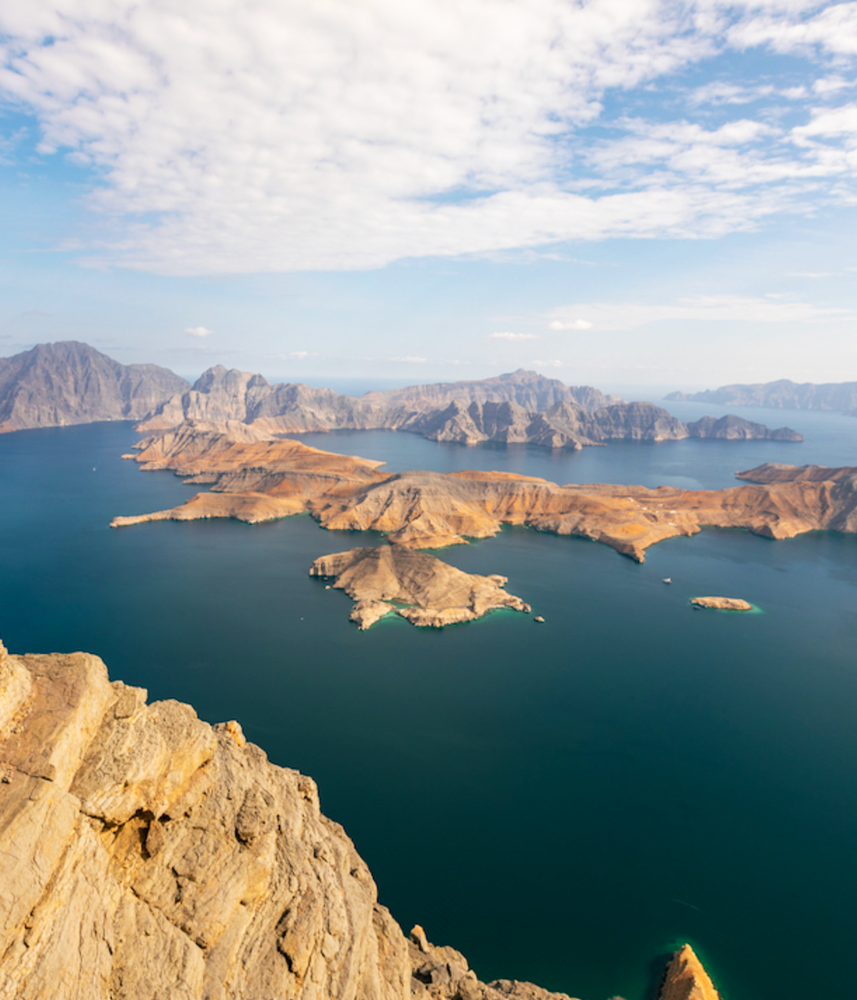
The Musandam Peninsula features dramatic limestone cliffs rising from the water, creating a landscape of deep fjords known as khors. Navigating these waterways reveals distinct historical and natural landmarks accessible primarily by boat.
Khor Ash Sham
This primary fjord spans approximately 16 kilometers and is framed by steep mountain ranges. It serves as the main channel for most cruises and is known for its calm, protected waters.
Watch for wild dolphins surfacing near the boat bow.
Telegraph Island
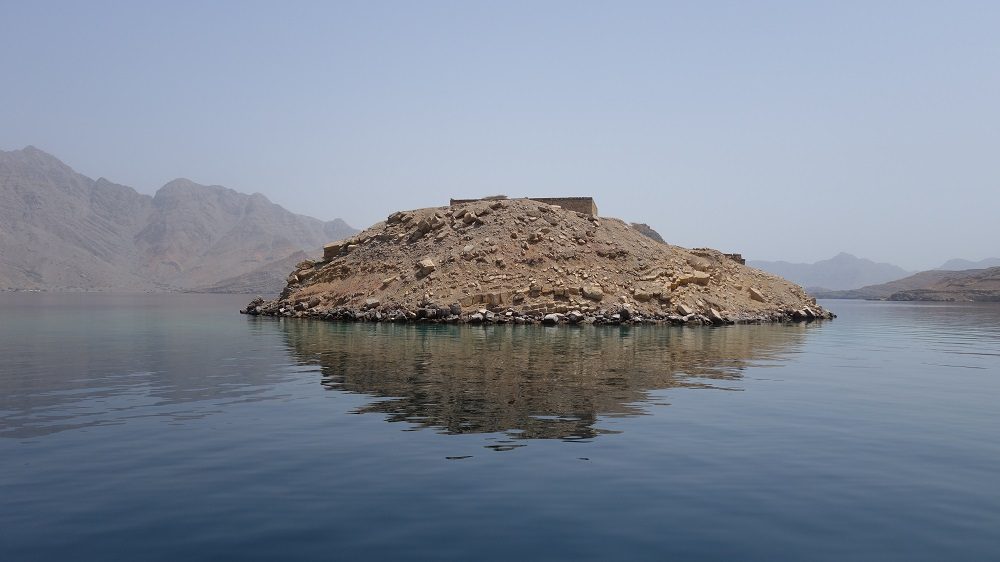
Also known as Jazirat al Maqlab, this island served as a repeater station for the London-to-Karachi telegraph cable in the 1860s. Visitors can observe the remaining ruins and swim in the surrounding clear waters.
Look for the ruins on the hillside during your swim.
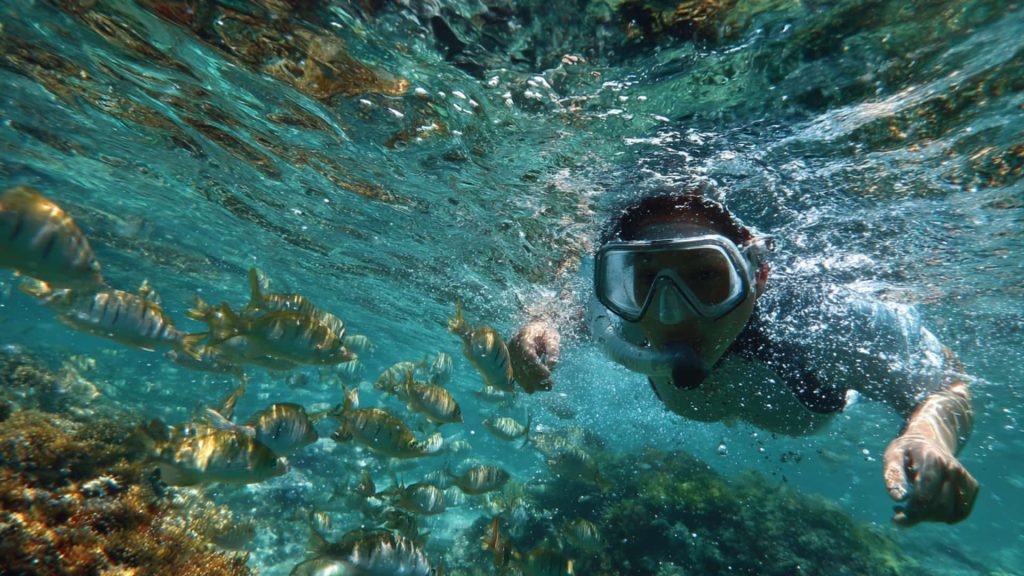
Seebi Island
Located at the end of the fjord, this small island is frequently visited for its high density of marine life. It provides a quiet vantage point to observe schools of fish and coral formations.
Bring a mask to observe fish near the shore.
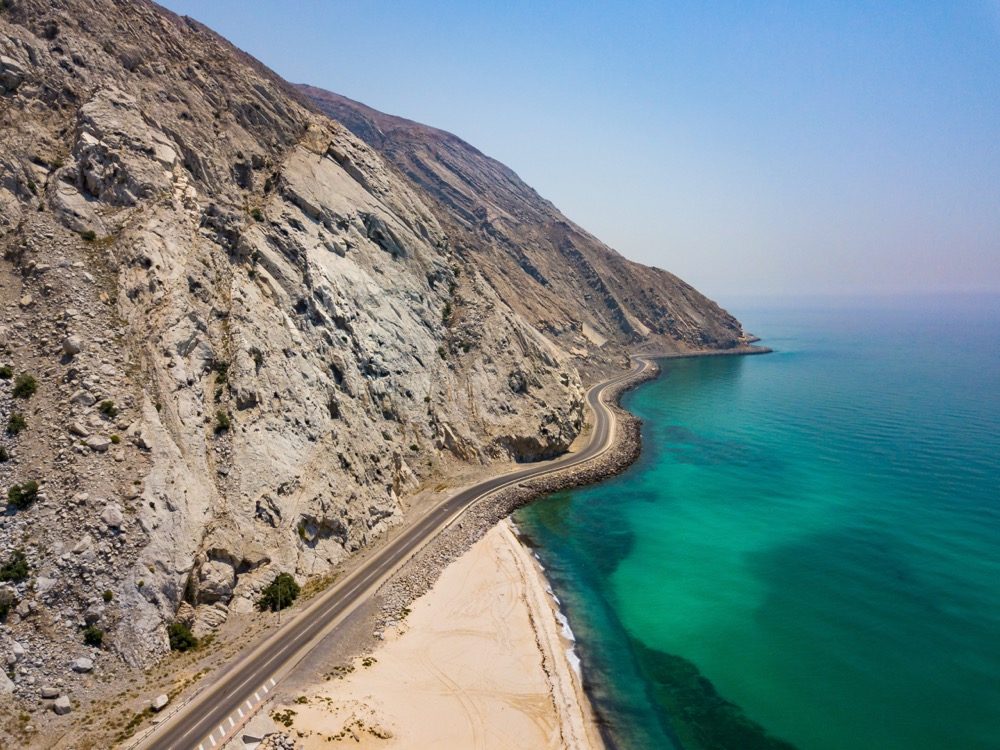
Khasab Coastal Cliffs
The coastline surrounding Khasab features layered geological formations that drop vertically into the Persian Gulf. These cliffs protect the inner fjords from open sea conditions.
Photograph the rock strata from the deck at sunrise.
Check availability
Frequently Asked Questions: Best Musandam Dhow Cruise
Everything you need to know about best musandam dhow cruise