3 hr 30 min
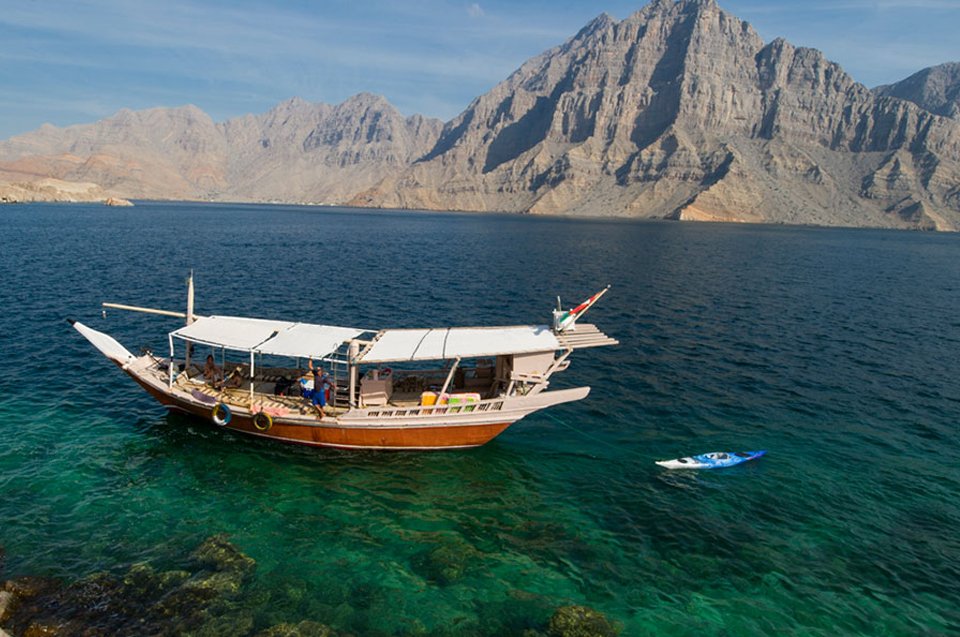
Khasab Fjords Dhow Cruise with Dolphin Watching & Snorkeling
- Entry ticket
- Mobile voucher
- Valid same day
- Free cancellation
Musandam Dibba Dhow Cruise — Fjord Expeditions & Dolphin Encounters
Teak hulls carve through limestone fjords, dolphins breach at the bow
Compare fares, pick the fit — all bookings are mobile-voucher and eligible for free cancellation where shown.
3 hr 30 min
24 hr
4 hr
Selecting the right musandam dibba dhow cruise depends on your preferred transport arrangement and schedule. These musandam dibba dhow cruise tours offer distinct options for visitors departing from Dibba Port.
| Self-Drive Basis Direct arrival at port |
Top pick Shared Transfer Pickup from city |
|
|---|---|---|
| Duration | 5–6 hours | 5–6 hours |
| Buffet Lunch | Included | Included |
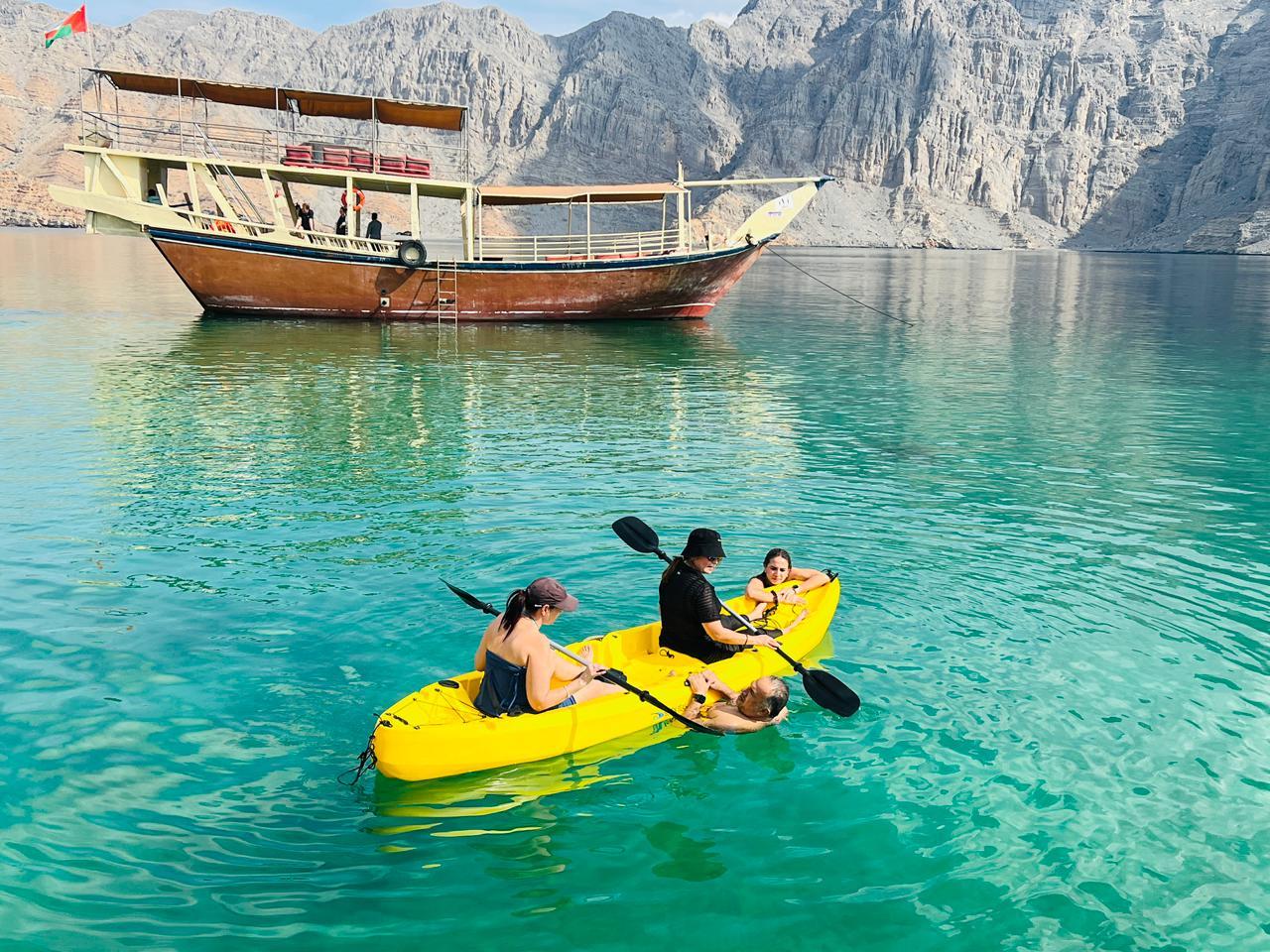
| Water Activities | Snorkeling/Kayaking/Fishing | Snorkeling/Kayaking/Fishing |
| Meeting Point | Dibba Port | Dubai/Sharjah/RAK pickup |
| Entry Assistance | Included | Included |
| Best for | Budget-conscious travelers | First-time visitors |
| See tickets & prices |
Verdict: Choose the shared transfer musandam dibba dhow cruise tickets if you prefer a stress-free experience with logistics handled from your hotel.
Worth it for scenery seekers, skip if logistics frustrate
A musandam dibba dhow cruise delivers dramatic fjord scenery and marine encounters you won't find anywhere else in the Emirates region, but the value equation hinges on your tolerance for border formalities and long transfer times. Most dhow cruise tours from Dubai include round-trip transport, a traditional Omani lunch onboard, snorkeling gear, and dolphin-watching opportunities along the Khasab fjords—legitimate highlights that justify the full-day commitment for nature enthusiasts. The telegraph-island anchorages and limestone cliffs rising from turquoise water create a visual payoff that urban attractions can't match. However, crossing into Oman adds two to three hours of driving each way plus passport checks at Tibat border post, turning what could be a four-hour cruise into an eleven-hour expedition. If you value remote coastal landscapes and don't mind the journey, musandam dibba dhow cruise tours deliver solid return on time and cost; if you prioritize convenience or have limited days in Dubai, the logistics may outweigh the scenery.
Bottom line: Book if dramatic coastal scenery justifies the cross-border journey; skip if you need a time-efficient Dubai day trip.
They complement each other, but most visitors who prioritize dramatic fjord landscapes choose the Khasab route as the more thrilling alternative to a musandam dibba dhow cruise.
|
Top pick Dibba Cruise |
Khasab Cruise | |
|---|---|---|
| Primary scenery | Coastal cliffs and caves | |
| Departure point | Dibba Port, Oman | |
| Border crossing | Required from UAE | |
| Marine life | Dolphins and reef fish | |
| Primary activity | Snorkeling and swimming | |
| Accessibility | Easier from Dubai | |
| See tickets & prices |
Verdict: Choose the musandam dibba dhow cruise tours if you prefer a shorter transit, or opt for Khasab to maximize time spent navigating deep limestone inlets and mountain-fringed waters.
Hand-picked experiences loved by thousands of travelers
6 hours
Free Cancellation
Full-day dhow voyage through stunning Omani fjords with dolphin encounters, coral reef snorkeling, and onboard lunch
1 day
Free Cancellation
Sail dramatic Omani fjords aboard a traditional wooden dhow with snorkeling, dolphin spotting & buffet lunch
6 hours
Free Cancellation
Six-hour traditional boat journey through Musandam's dramatic fjords with dolphin encounters and swimming stops
6 hours
Free Cancellation
Sail dramatic fjords on a traditional Omani vessel with swimming stops, dolphin spotting, and buffet aboard
12 hours 30 minutes
Free Cancellation
Full-day Arabian dhow adventure through Oman's dramatic fjords with snorkeling, dolphin encounters, and island exploration
6 hours
Free Cancellation
Sail through dramatic limestone fjords, swim in turquoise waters, and spot dolphins on this full-day dhow cruise
23 hours
Free Cancellation
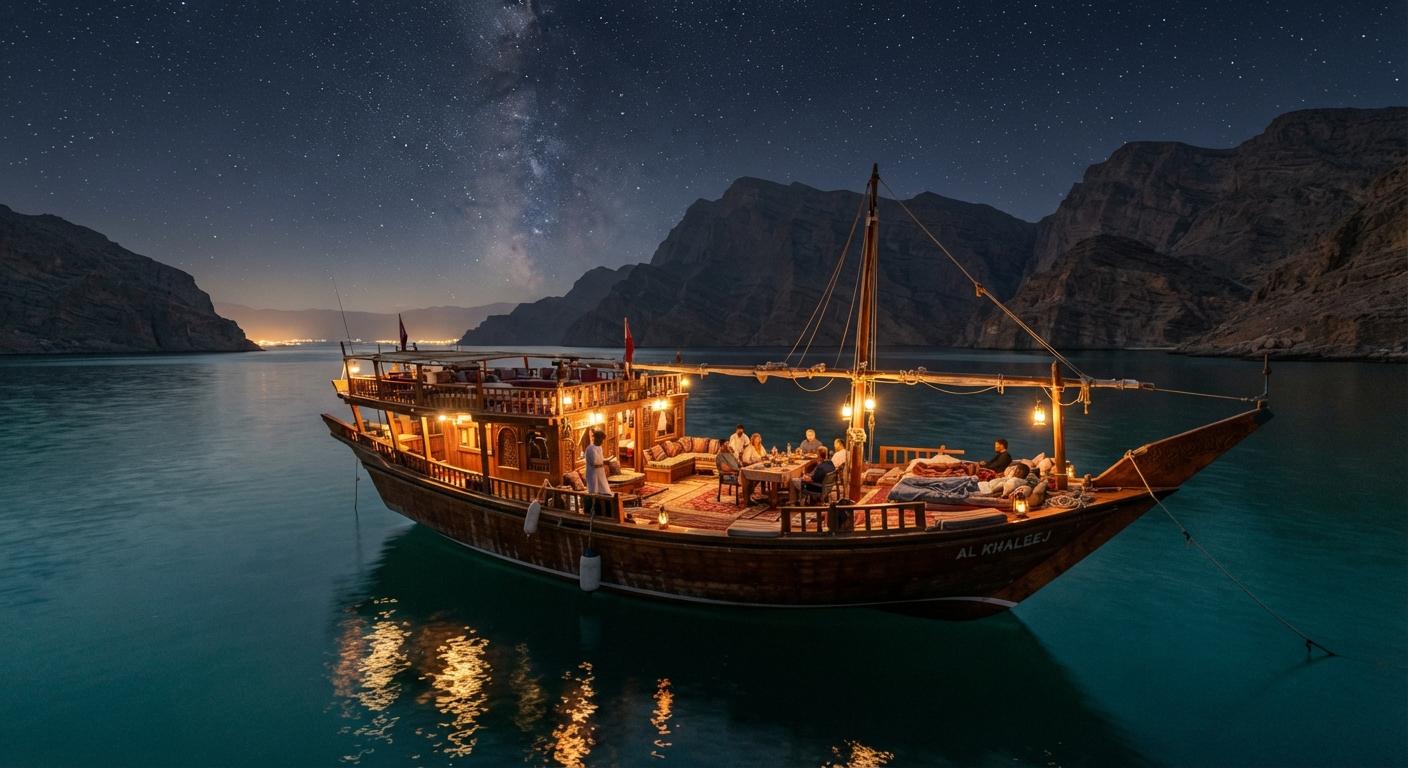
Sleep beneath the stars on a traditional Omani boat while exploring fjords, snorkeling, and dolphin watching
Arrival at Dibba Port and document check
Boarding the dhow and safety briefing
Navigation through Musandam fjords
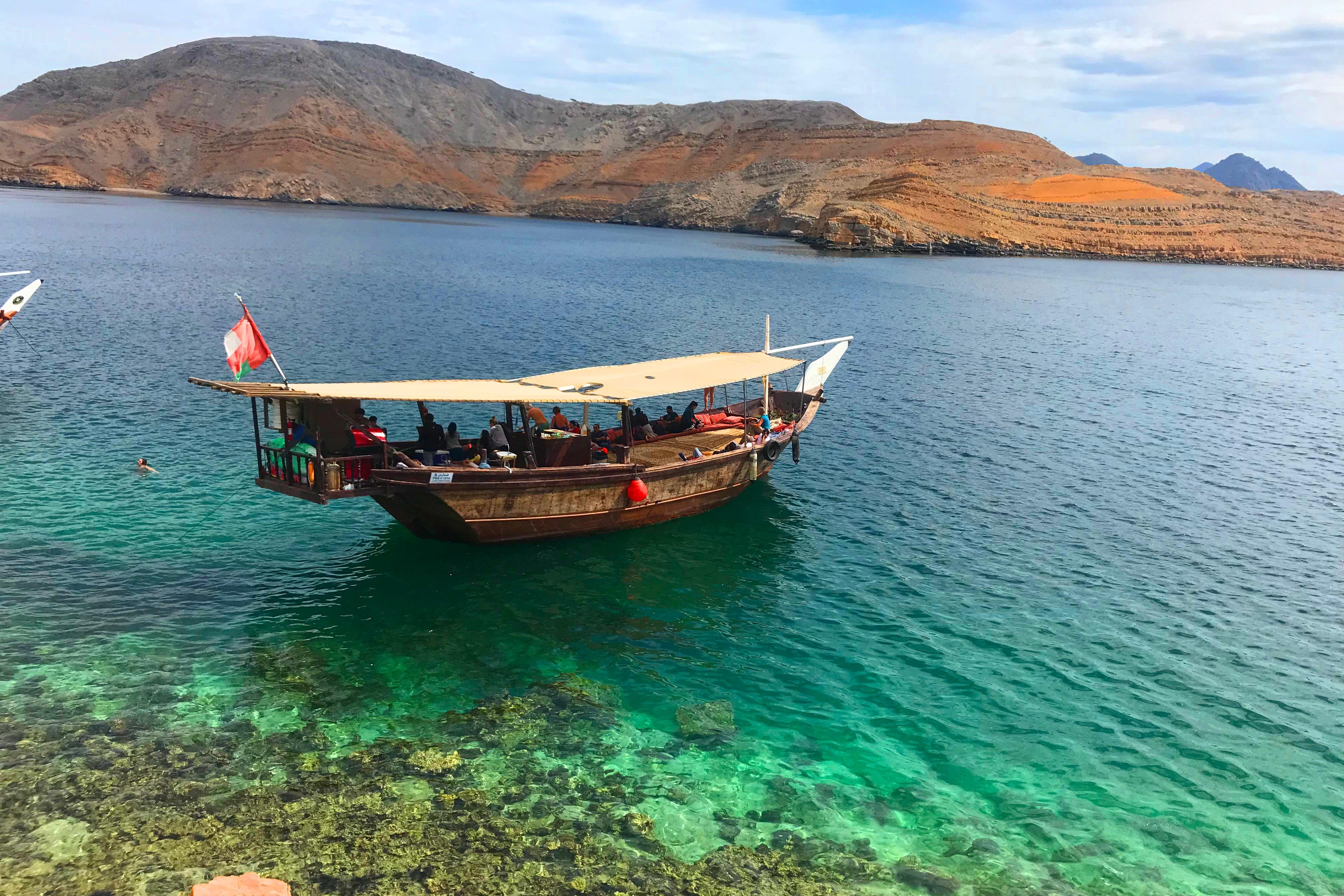
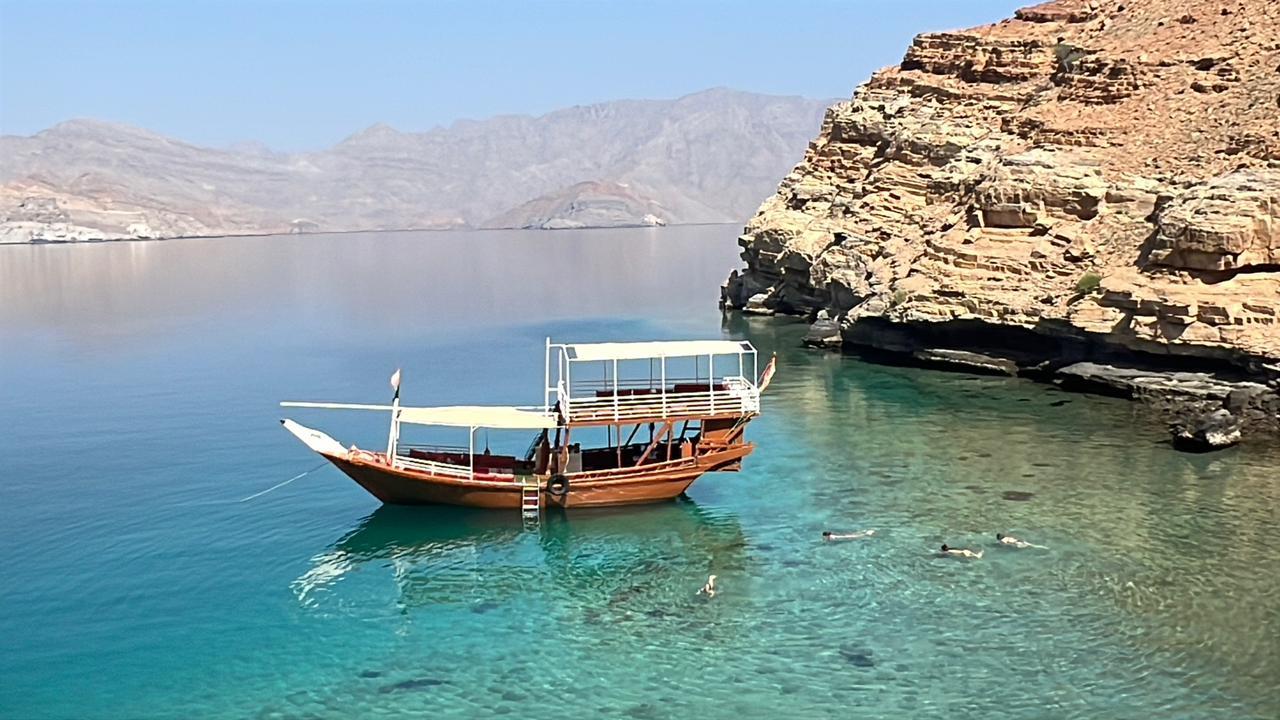
Swimming and snorkeling in clear waters
Onboard buffet and return to port
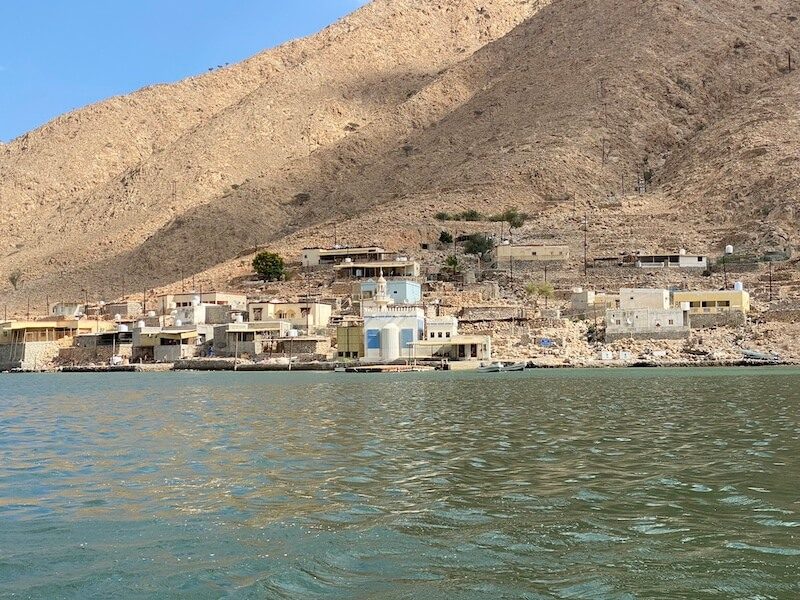
Traditional fishing village accessible only by sea, featuring ancient stone dwellings and coastal heritage. Visitors can observe the authentic lifestyle of local residents from the deck.
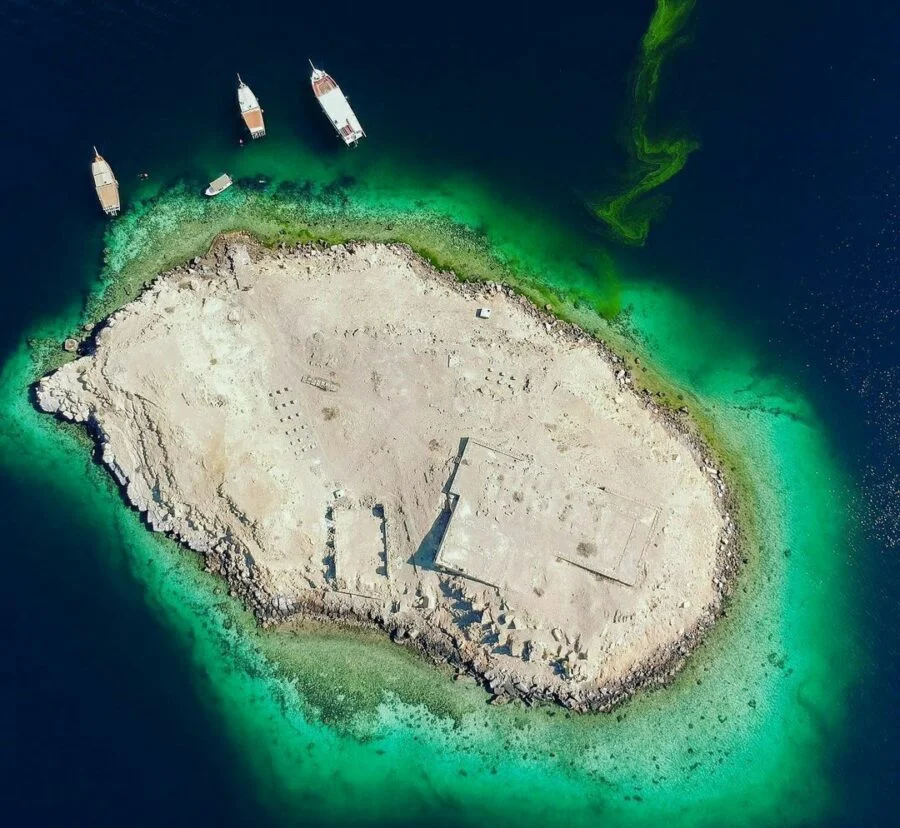
Once a vital communications hub during the British era, this island offers crystal clear waters for snorkeling. It is famous for the 1864 telegraph station ruins.
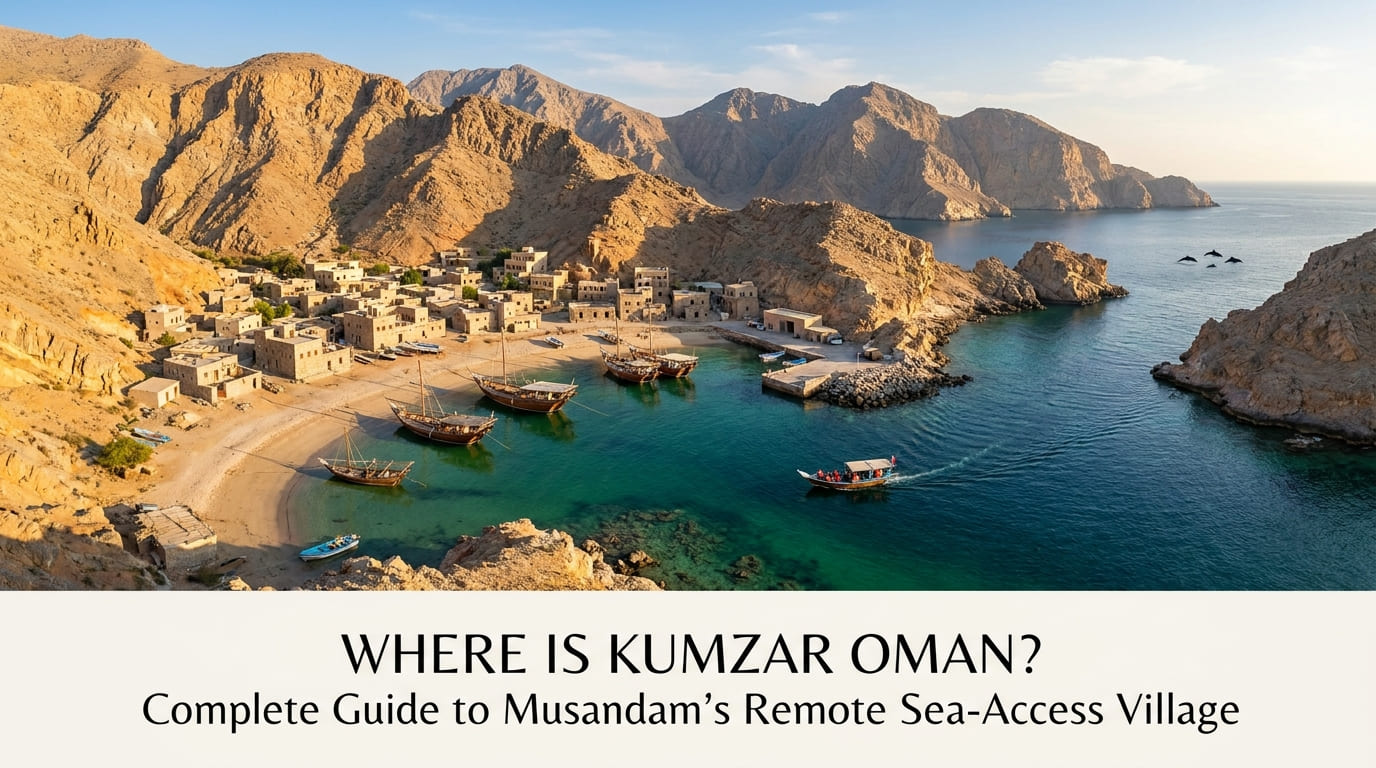
A secluded settlement nestled against the steep Musandam cliffs, reachable only via boat. It is a prime location for observing marine life including dolphins.
The longest fjord in the region, stretching over 16 kilometers with dramatic towering mountain scenery. It is a central route for any musandam dibba dhow cruise.
You clear Omani immigration at Dibba Port by 09:30, passport stamped for a single-entry day visa, and board a twin-masted dhow that smells of teak oil and salt. The captain casts off at 10:00 sharp.
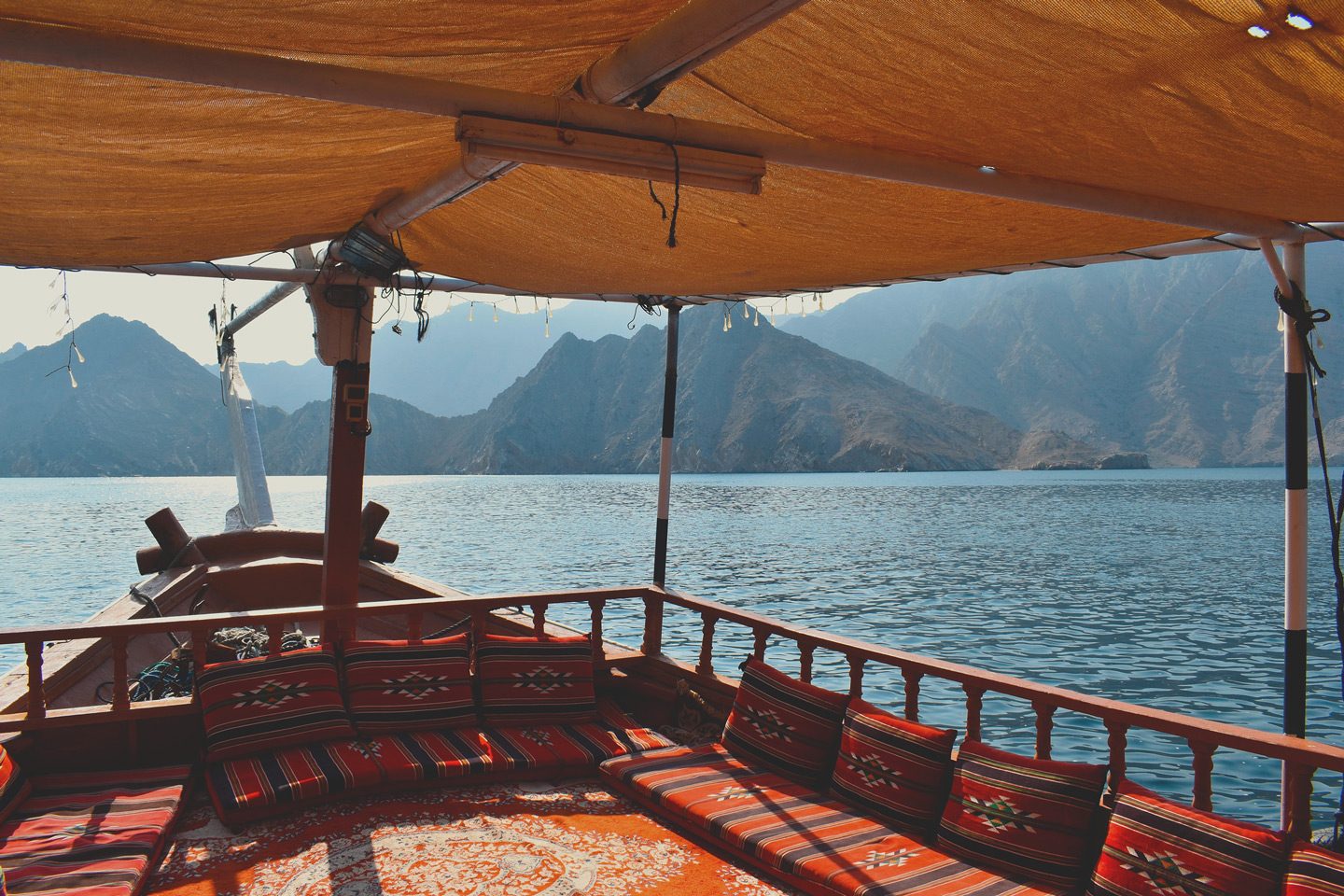
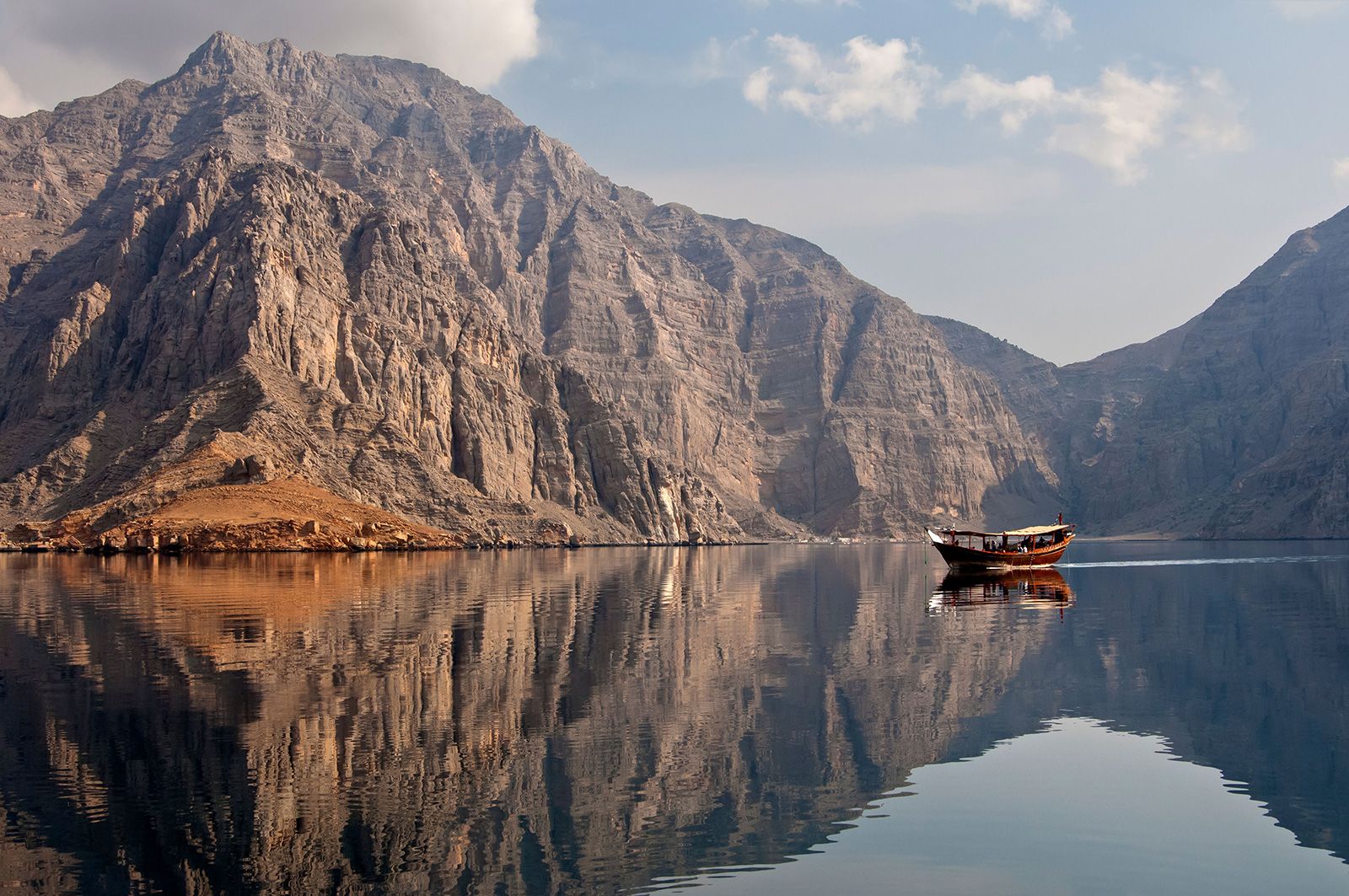
Within fifteen minutes the fjords open on both sides — walls of sedimentary rock stacked in horizontal bands, some layers thin as parchment, others thick as a shipping container. You climb to the upper deck, where cushions line the gunwales and a canvas awning blocks the direct sun.
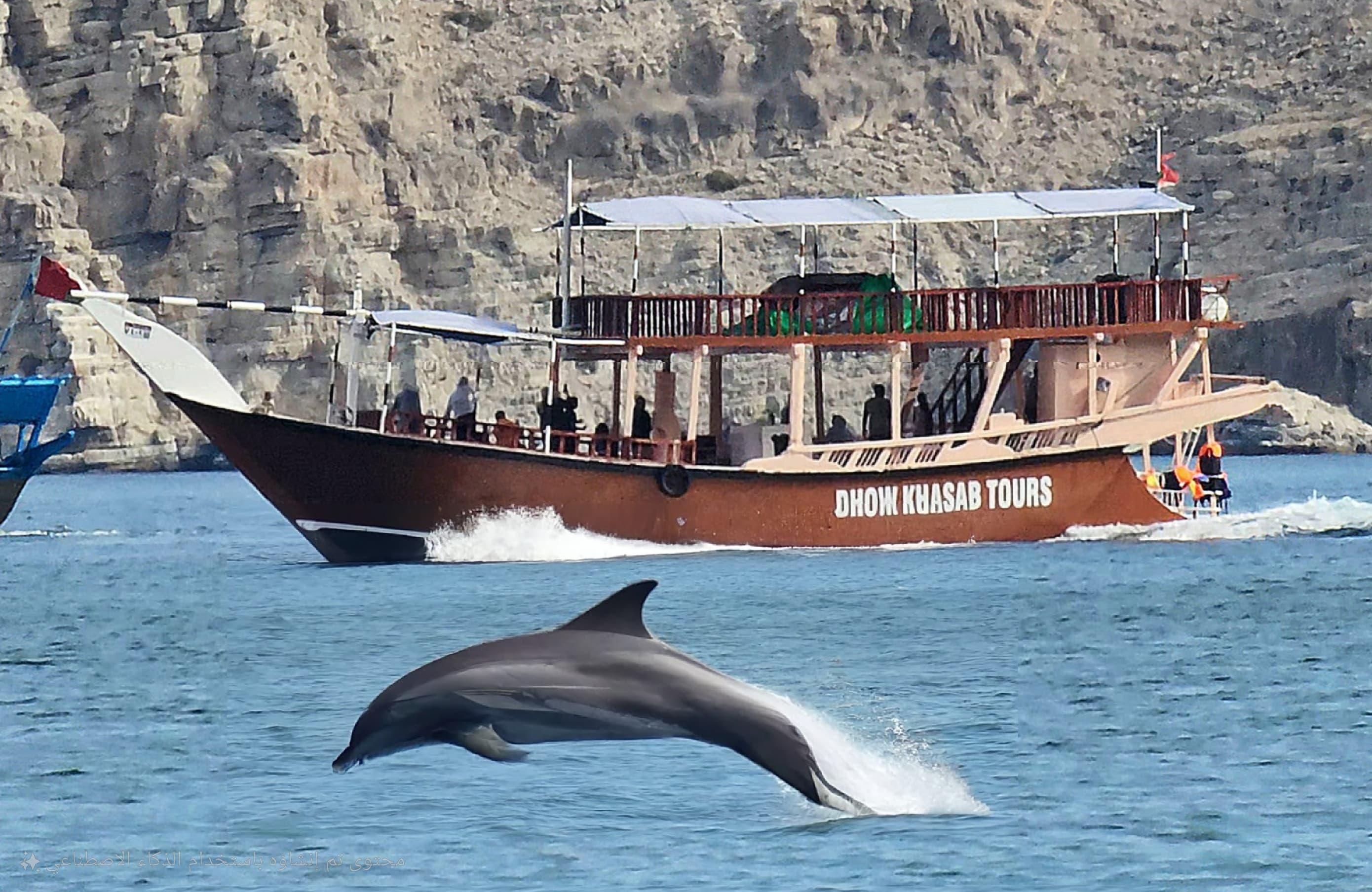
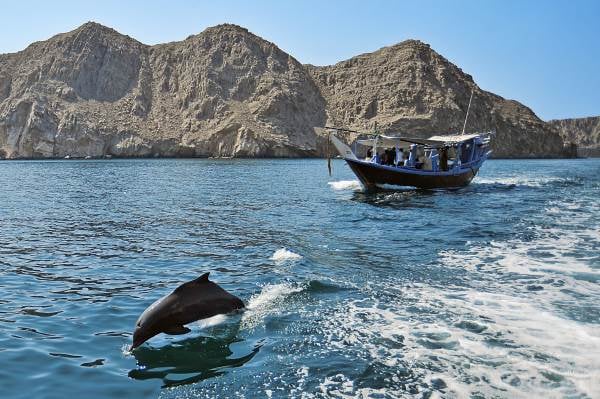
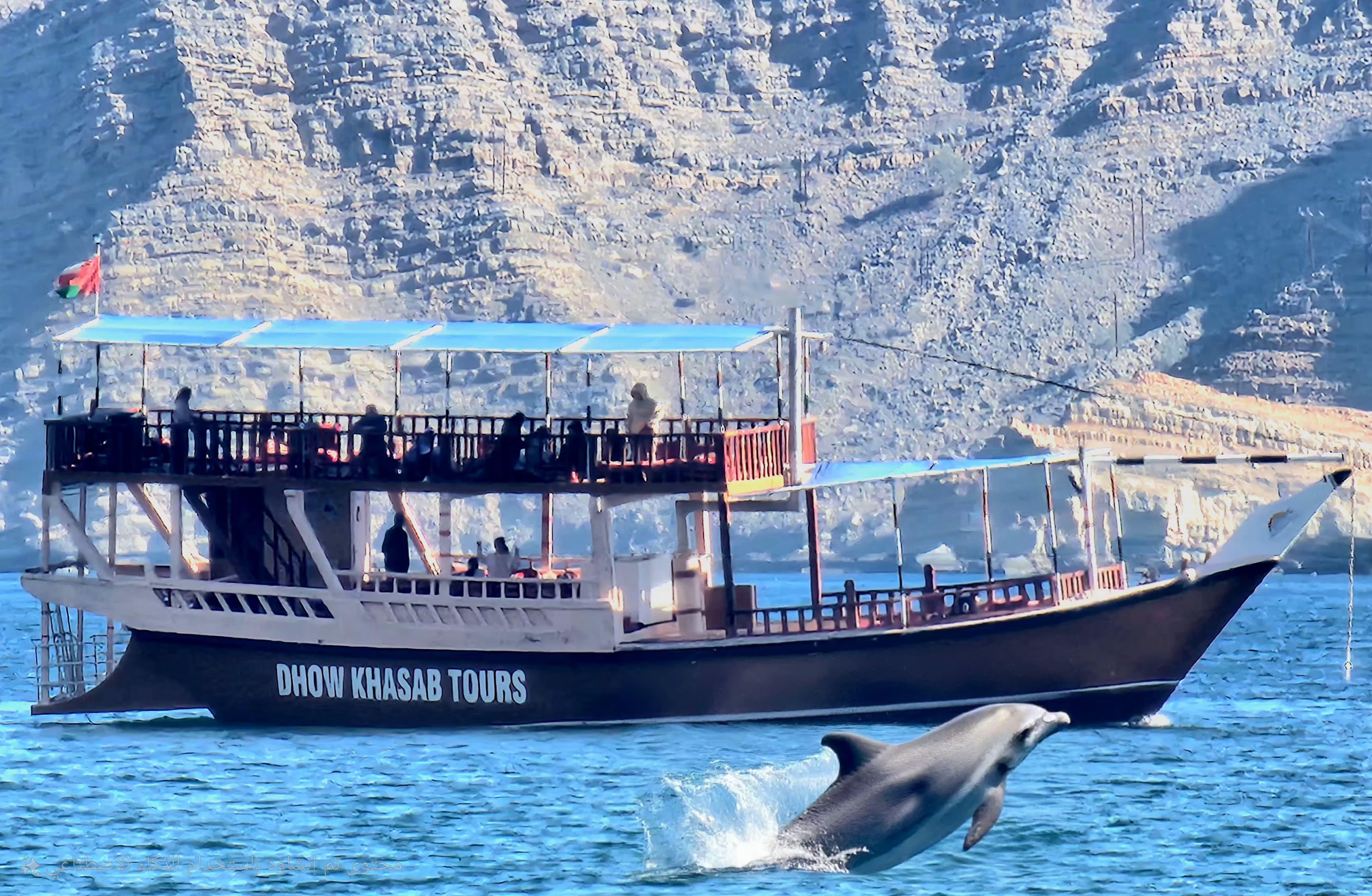
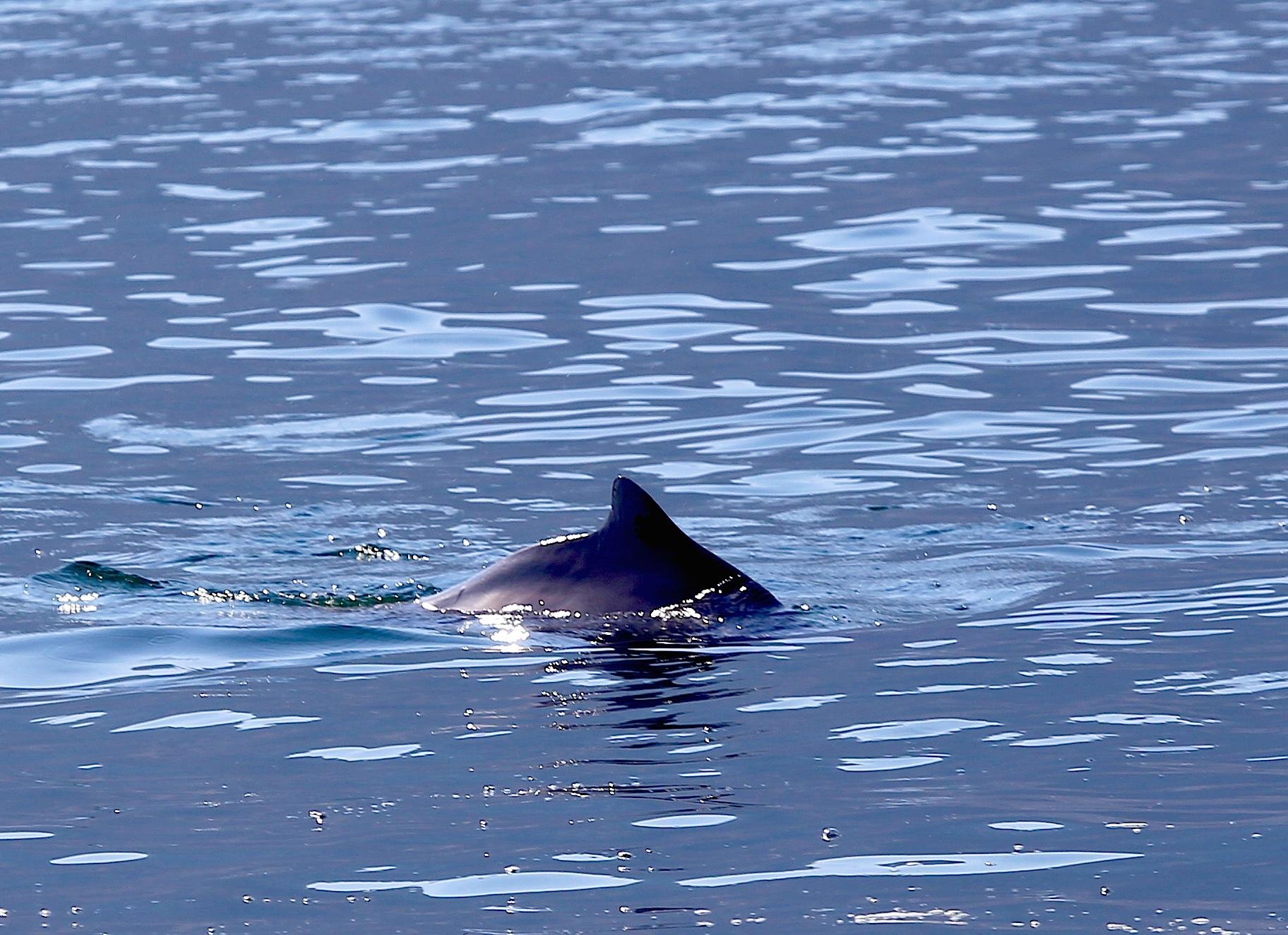
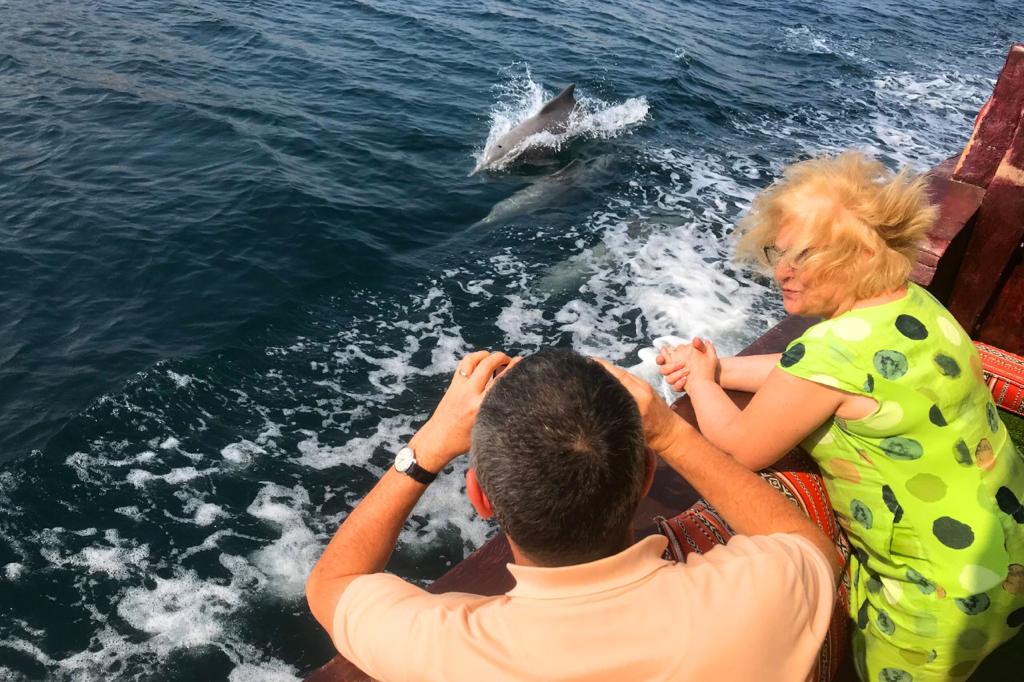
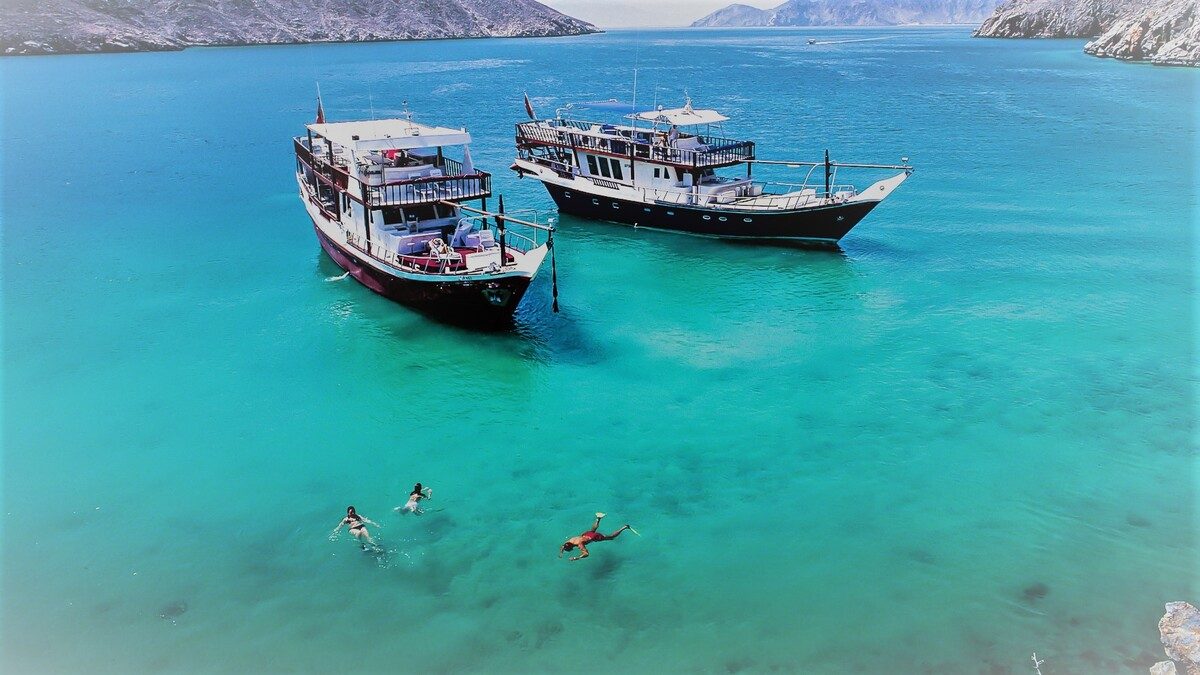
Dolphins appear twenty minutes into the passage, their dorsals cutting the surface in synchronized arcs. The captain throttles down and the pod surrounds the bow, eight or nine spinners leaping clear of the water and rotating mid-air. You lean over the rail, close enough to hear the wet slap when they re-enter. The crew hands out snorkel sets as the dhow anchors off Telegraph Island, a barren outcrop with stone ruins visible on its crown. The water is warm, saline, and so transparent you can count the fingers on your submerged hand at two metres depth. Coral clusters in pastel yellow and violet hug the island's base; a hawksbill turtle glides past, indifferent.
Lunch is served on deck: grilled fish, rice, fruit, and mint tea poured from a dented aluminum kettle. You eat cross-legged, watching the cliffs change colour as the sun moves. The return passage begins at 14:00, the dhow cutting through glass-flat water. You dock at Dibba Port by 16:00, the Hajar peaks backlit and turning copper.
All the details about your upcoming adventure in one place
Dibba Port sits at the northernmost edge of the United Arab Emirates' eastern exclave, a latitude where the Hajar Mountains plunge vertically into the Strait of Hormuz and create the Arabian Peninsula's only true fjord system.
The Musandam Dibba dhow cruise departs from this natural harbour, where wooden vessels built to seventh-century Omani specifications carry passengers through channels that drop 400 metres within sight of the shore. The limestone cliffs — folded by tectonic collision between the Arabian and Eurasian plates — mirror Norway's topography but retain a stark desert palette: ochre, bone-white, charcoal where the rock has oxidised.
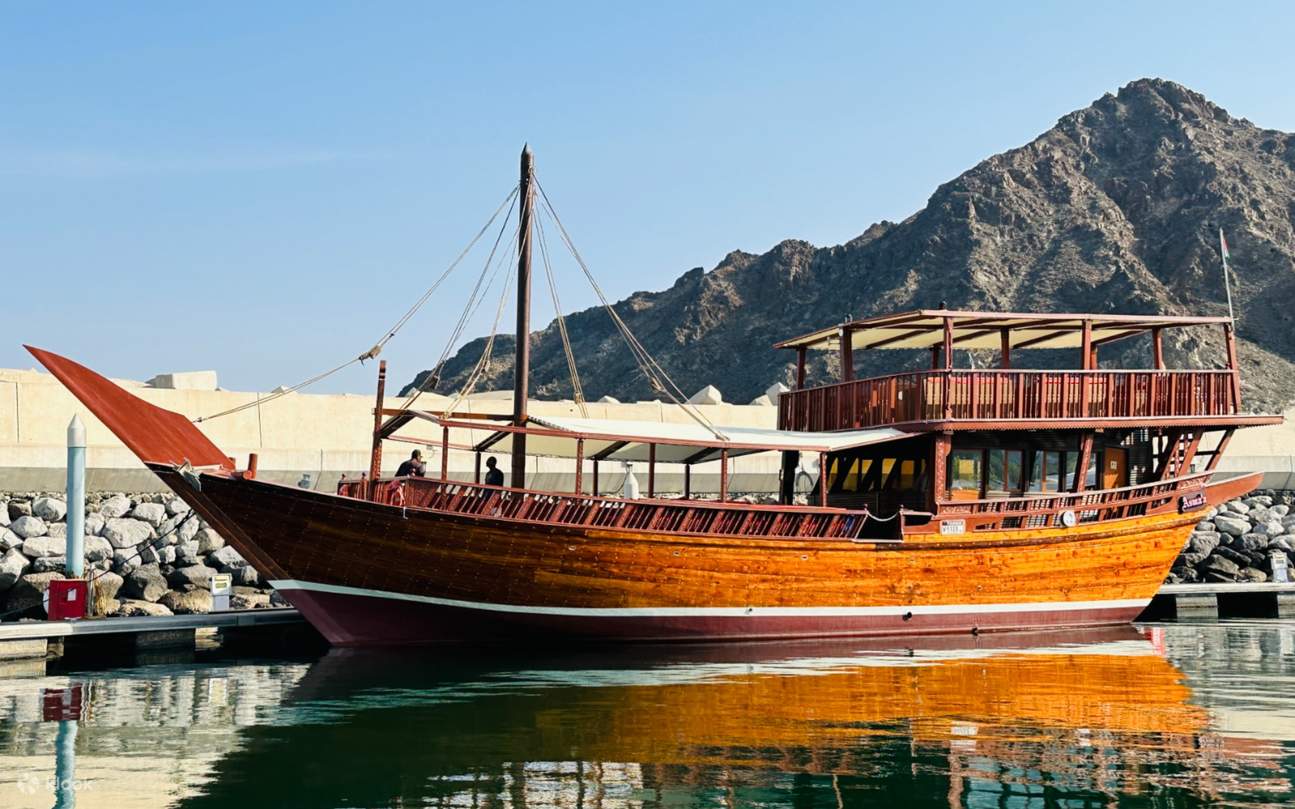
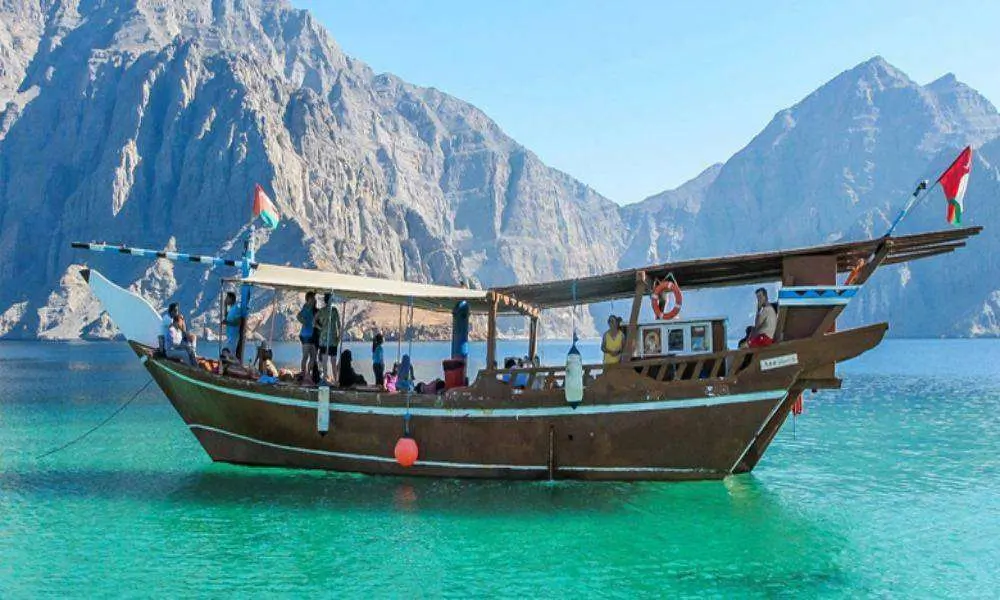
The dhow itself is a working artefact. Teak planks are hand-sewn with coir rope, a technique that predates metal fastenings and allows the hull to flex in heavy swells. No two vessels share the same beam or draught; each is commissioned by a family workshop in Sur or Khasab and reflects the builder's lineage. Cushioned seating on the upper deck replaced cargo holds in the 1990s when Musandam's isolation ended with the coastal highway, but the lateen sail and rudder assembly remain unchanged. Captains navigate by sight, reading the water's colour to detect submerged reefs and using the cliffs' shadow-line to time the turn into Telegraph Island's anchorage.
Dolphins — spinner, bottlenose, and the occasional Risso's — patrol the fjords year-round, drawn by nutrient upwellings where cold Persian Gulf currents meet the warmer Arabian Sea. They bow-ride in pods of twelve to thirty, breaching within arm's reach of the gunwale. The snorkeling sites lie in coral gardens that flourish despite the strait's 35-parts-per-thousand salinity, among the highest on Earth. Visibility exceeds twenty metres on calm mornings, revealing angelfish, parrotfish, and hawksbill turtles that nest on Telegraph Island's eastern beach.
Telegraph Island, a thumb of rock rising fifteen metres above the tide line, housed a British relay station from 1864 to 1868, part of the cable linking Bombay to the Levant. Stone footings and a cistern remain. The island marks the deepest penetration of the cruise route, where the fjord narrows to sixty metres and the cliffs close overhead. The water here is thirty-two degrees Celsius in summer, twenty-two in winter, and gin-clear. Most Musandam dhow cruise tours from Dibba allocate two hours to this anchorage — enough for a swim, a meal of grilled kingfish served on the deck, and a circumnavigation of the island by kayak.

Teak planks are hand-sewn with coir rope, a technique that predates metal fastenings and allows the hull to flex in heavy swells.
Wear modest swimwear and light, breathable clothing suitable for a musandam dibba dhow cruise. Guests should bring a change of clothes for the return journey to respect local customs.
Security checks are mandatory at the Dibba Port border crossing for every musandam dibba dhow cruise tour. Keep bags lightweight and ensure all travel documentation is easily accessible.
Photography is permitted on the dhow and at sea, though guests should avoid taking pictures of military installations or border checkpoints during a musandam dibba dhow cruise.
Families are welcome on every musandam dibba dhow cruise tour provided children are supervised near the open deck areas. Life jackets are provided in multiple sizes for all passengers.
Access to traditional dhows involves stepping over wide wooden railings which can be challenging. Most musandam dibba dhow cruise operators require guests to be mobile enough to board independently.
Complimentary buffet lunch and refreshments are typically served onboard during the musandam dibba dhow cruise. Guests are advised to inform the operator of dietary restrictions at least 24 hours in advance.
Opening hours
09:00–16:30
Address
Dibba Port, Musandam, Oman
Accessibility
Varies by vessel; contact operator
Best arrival
09:00–09:30
Storage
Limited availability on dhows
Meeting point
Dibba Port entrance
Car · 2h 30m · Fuel costs apply
Rental car via E11 or E87 to Dibba Port
Taxi · 2h 30m · Variable pricing
Private taxi hire from Dubai or Fujairah
Cancellations must be requested at least 24 hours prior to departure for a full refund. The port entry fee of 0 AED is non-refundable as it is processed by local authorities.
Recommended time
6-8 hours
A musandam dibba dhow cruise requires a full day commitment due to the necessary border clearance procedures at Dibba Port. Visitors should adhere to the best arrival window of 09:00–09:30 to ensure timely departure for these traditional sea voyages. When booking musandam dibba dhow cruise tours, account for the fact that immigration formalities can influence the total duration spent on the water. Securing musandam dibba dhow cruise tickets in advance allows operators to streamline the check-in process, helping you manage expectations regarding group sizes and coastal exploration timelines.
Crowd levels through the day
Weather · crowds · average price — dots go green to amber to red as each metric rises.
September to November offers pleasant temperatures for a musandam dibba dhow cruise tour. Expect clear skies and comfortable sea conditions for snorkeling.
December to February provides the coolest weather, ideal for long days on the water. Peak tourist season may cause increased crowds at the border.
March to May is excellent for wildlife spotting before the summer heat intensifies. Water temperatures remain inviting for swimming.
June to August involves high temperatures requiring early starts. Use high SPF protection and prioritize hydration.
Reserve your musandam dibba dhow cruise tickets at least 48 hours in advance for permit processing. Late bookings may be rejected due to border security constraints.
Always carry your original passport, as copies are not accepted at the border. Keep it in a waterproof bag during the cruise.
The dhow cruise tradition along Musandam's coast extends back centuries, when Omani merchants sailed wooden vessels through the Strait of Hormuz carrying dates, frankincense, and textiles to Persia and beyond. These working craft, built without nails using coconut-fiber rope and teak planks, navigated the fjords of the Musandam peninsula to reach isolated villages accessible only by sea. Dibba, straddling the border between Oman and the UAE, served as a natural harbor where traders repaired hulls and restocked provisions before crossing open water. By the late twentieth century, motorized transport had displaced most cargo dhows, and wooden boatbuilding yards fell silent. The Musandam dibba dhow cruise emerged in the early 1990s when Omani authorities recognized the tourism potential of the dramatic limestone cliffs and sheltered bays. Operators restored traditional vessels, adding cushioned seating and shade canopies while preserving the angular prow and lateen-sail silhouette. Early musandam dibba dhow cruise tours departed from Khasab, but Dibba's proximity to Dubai and shorter border formalities shifted much of the traffic southward by the mid-2000s. Today's dhow fleet mixes heritage and function: teak ribs and hand-carved railings alongside diesel engines and life jackets. The route threads through Telegraph Island—where the British laid undersea cable in 1864—and the coral gardens off Snoopy Island, named for its profile. Dolphin sightings remain common in the strait's nutrient-rich waters, a continuity with the navigational lore of early sailors who read current and wildlife to find safe passage. The musandam dibba dhow cruise tickets now bundle snorkeling gear, buffet lunch, and round-trip transport, a formula refined over three decades that has made the experience Musandam's signature maritime attraction.
Omani dhows transport cargo through the Strait of Hormuz, establishing Musandam as a key maritime corridor.
British engineers anchor at Telegraph Island to lay undersea telegraph cable linking Bombay and Basra.
Motorized vessels replace wooden dhows for cargo, leaving traditional boatbuilding in decline.
Oman begins licensing tourism operators to restore dhows for sightseeing along Musandam's coast.
Dibba overtakes Khasab as the primary departure point for musandam dibba dhow cruise tours due to easier UAE border access.
Operators standardize the day-cruise format with snorkeling stops, buffet meals, and dolphin-watching routes.
Fleet expands to meet demand from Dubai and Abu Dhabi, with cruises departing daily from Dibba Port.
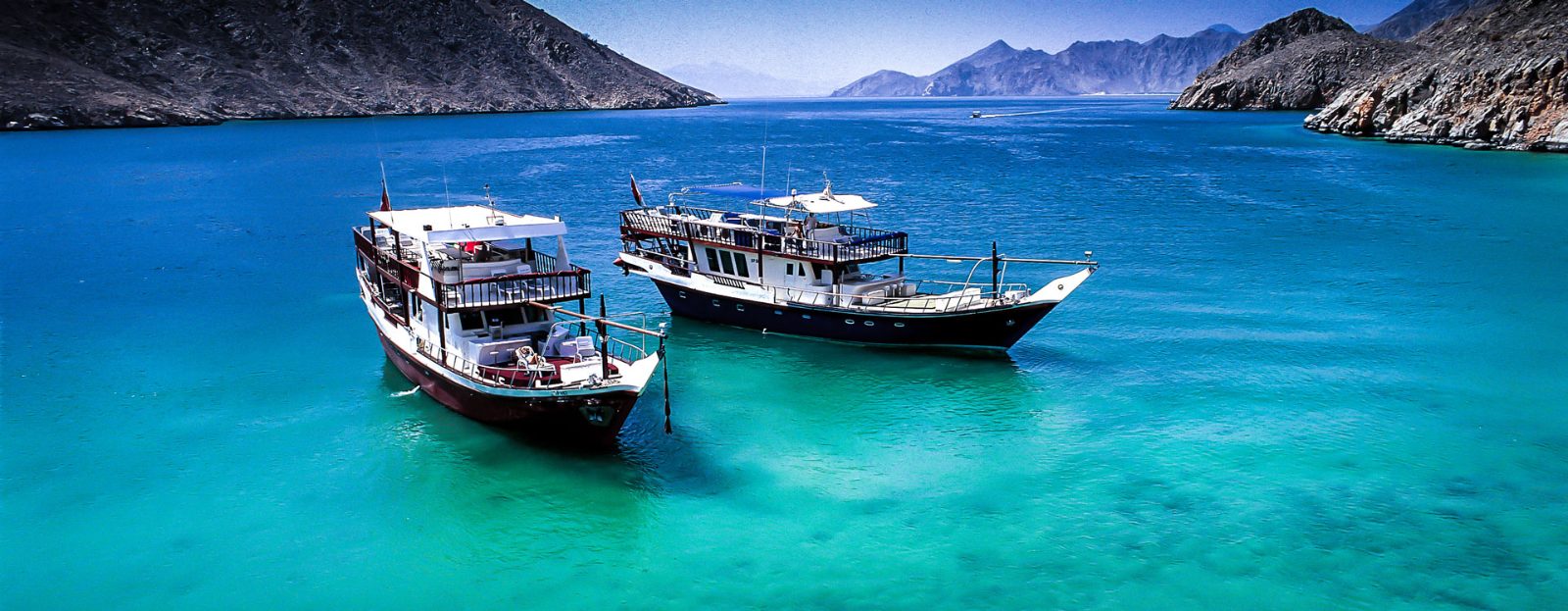
Position yourself at the front railing of the upper deck to capture the expansive fjords and turquoise waters. This spot offers an unobstructed view of the rugged Musandam coastline during your musandam dibba dhow cruise.
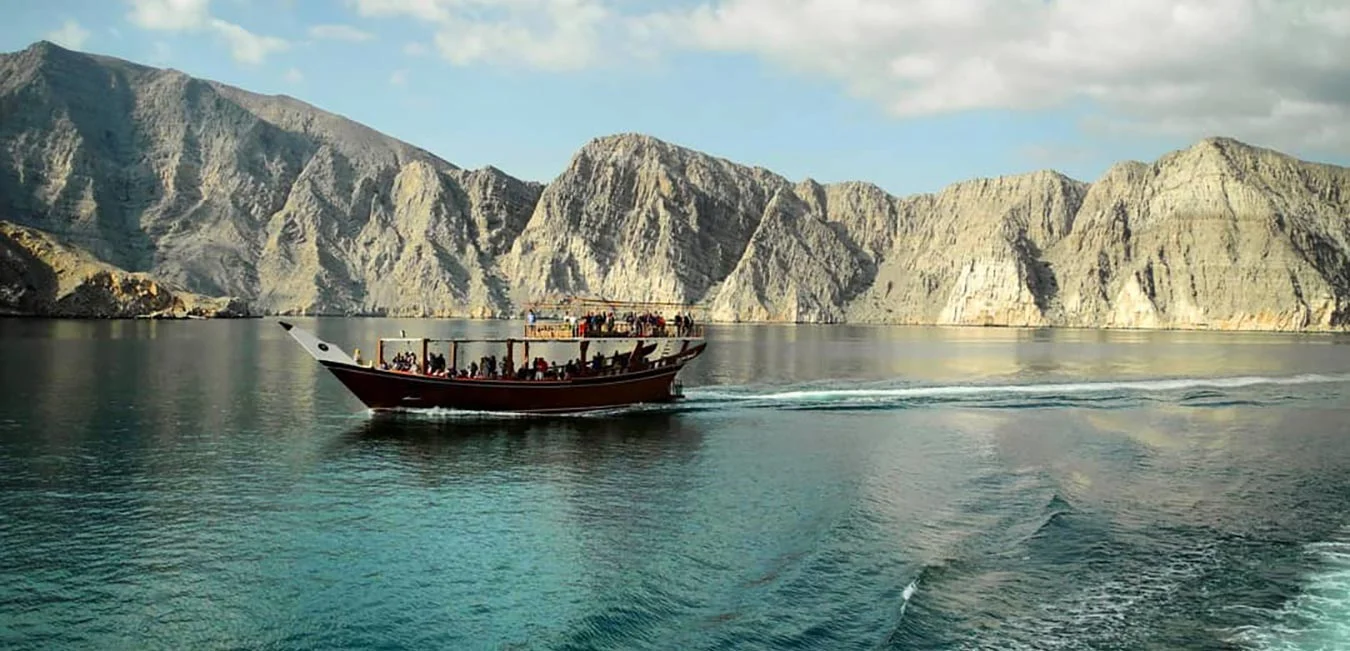
Sit on the cushions at the prow of the boat to photograph the wake and the limestone cliffs as the vessel cuts through the water. This perspective emphasizes the traditional wood craftsmanship of the vessel against the marine backdrop.
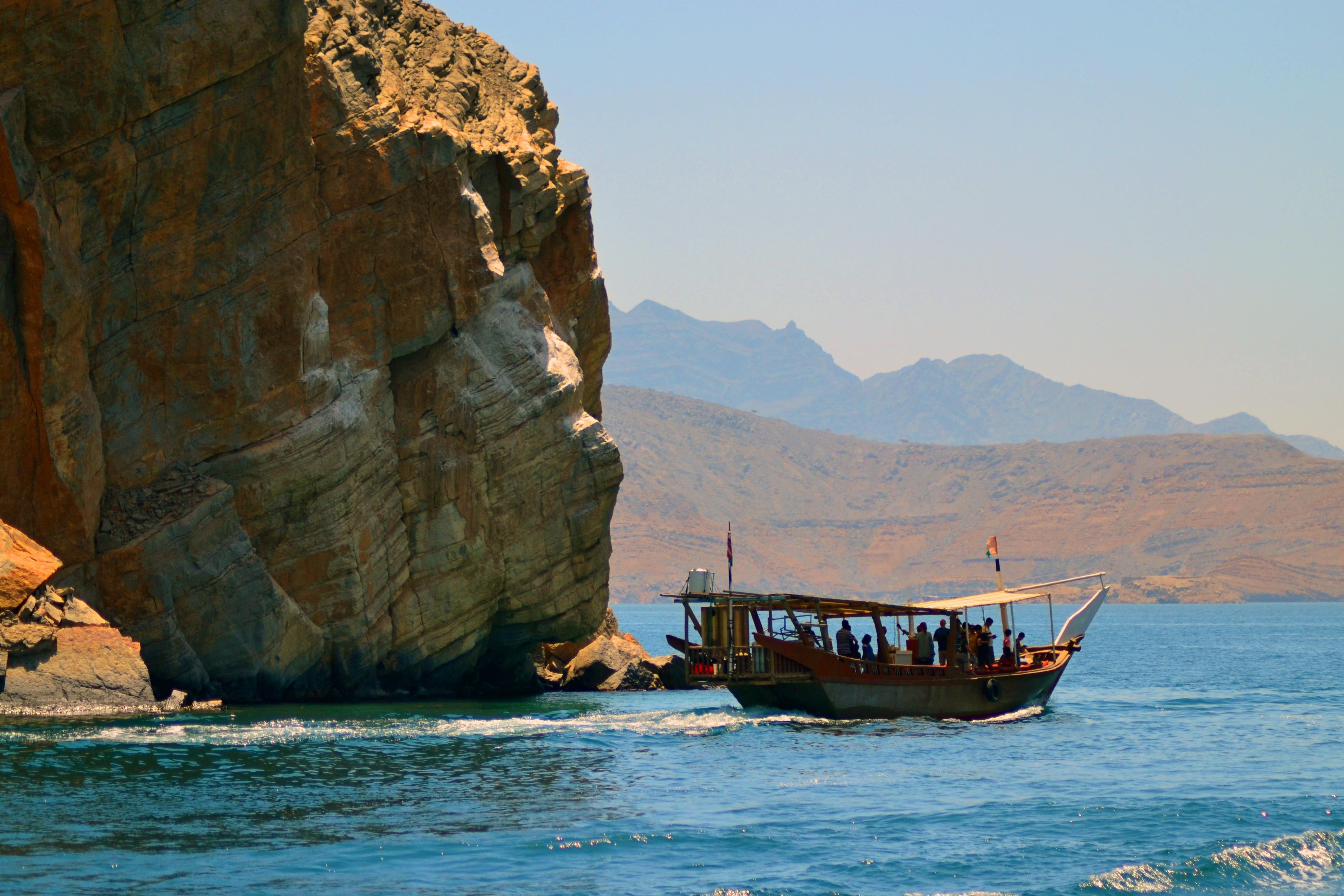
Capture the distinct shoreline and remote mountain settlements as the boat passes near the rocky outcrops. These formations are ideal for telephoto shots showing the contrast between the arid peaks and the sea.
Photograph the calm, clear coves when the boat anchors for water activities. The vivid color of the water against the dhow creates a classic scene for your musandam dibba dhow cruise tours.
Embarking on a musandam dibba dhow cruise offers families a unique way to explore the rugged coastline and turquoise waters of Oman. Navigating these traditional boats with children requires thoughtful preparation to ensure everyone remains comfortable throughout the day.
Strollers are impractical on traditional wooden vessels, so bring a comfortable baby carrier for younger children instead. You will find that opting for musandam dibba dhow cruise tours requires packing lightweight essentials like hats and rash guards to handle the open-deck sun exposure
Life jackets are mandatory and provided on board, but these are often designed for adults, so parents should bring coast-guard approved vests that fit their children properly. Keeping kids hydrated is vital, so carry a reusable water bottle to use alongside the refreshments included in your musandam dibba dhow cruise tickets
This excursion is best suited for children who can comfortably spend several hours at sea and are capable of navigating the boat's slightly uneven deck safely. Older children often enjoy the snorkeling opportunities, which serve as a highlight of any musandam dibba dhow cruise tour
While marine toilets are available on these vessels, they are basic and lack dedicated baby-change tables, so prepare your diaper bag accordingly. The pace is relaxed, though shade on the dhow can vary, making it necessary to claim a sheltered spot early for your family.
Dining options at Dibba Port are limited, so most travelers embarking on a musandam dibba dhow cruise prefer to rely on the onboard meals provided by their tour operator. While visitors near this musandam dibba dhow cruise tour location may find basic refreshments, there are no full-service restaurants directly on-site.
A small, functional spot for quick snacks and bottled water before checking in for your musandam dibba dhow cruise tickets. It serves simple items suited for early arrivals between 09:00–09:30 before boarding the traditional wooden vessels.
Everything you need to know for your journey
The cruise operations run daily from 09:00–16:30.
Entry to the port is 0 AED, though the musandam dibba dhow cruise itself is operator-dependent.
Arrive between 09:00–09:30 to allow enough time for border clearance before the 10:00 departure.
Yes, children are welcome on any musandam dibba dhow cruise tour, but must be supervised at all times.
Cancellations are accepted up to 24 hours prior; however, port fees of 0 AED remain non-refundable.
Meals are typically provided, but you may bring snacks; check with your specific musandam dibba dhow cruise operator.
Yes, photography is encouraged, but avoid capturing restricted military border zones.
Yes, an original passport is mandatory for all guests on every musandam dibba dhow cruise.
The port is reachable by car or taxi, situated in Dibba, Musandam, Oman.
Historic town area near the border
Dramatic range overlooking the coastline
Famous pristine beach area nearby
Coastal strip with calm turquoise waters
Resort near the coastal border area
Convenient location for cruise guests
Basic lodging options in Dibba
Join thousands of happy travelers who have discovered this incredible experience
Book Your Experience Now